Patchy or patterned hair loss from the scalp or body.

Order supplements and other products.


Patchy or patterned hair loss from the scalp or body.
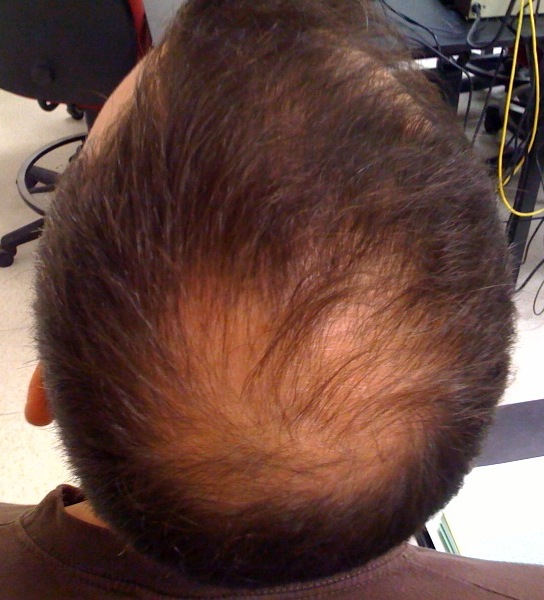
Patchy or patterned hair loss from the scalp or body.
Alopecia means hair loss that may be patchy, diffuse or patterned. It can affect scalp, beard, eyebrows or other body areas and may develop gradually or suddenly.
Possible factors include autoimmune tendency, stress, hormonal imbalance, scalp disease, nutritional deficiency, illness history and family tendency.
Case-taking includes hair loss pattern, scalp condition, itching, dandruff, stress, digestion, sleep, diet, menstrual or thyroid history and previous treatments.
Hair recovery is gradual and needs regular follow-up, nutrition support, gentle scalp care and trigger management. Sudden extensive hair loss or scalp infection needs medical review.
At Shri Ramkrishan homoeo clinic, consultation for Alopecia begins with a detailed case history. The doctor reviews the main complaint, duration, recurrence, physical symptoms, mental stress, food habits, sleep, weather sensitivity, family tendency and previous treatment history. This helps understand the individual patient rather than only the disease name.
Patchy or patterned hair loss from the scalp or body. The treatment plan is selected after studying how the complaint appears in that particular patient, what makes it worse, what gives relief and whether there are related complaints in digestion, skin, respiration, joints, urinary system or general energy.
Every patient experiences Alopecia differently. Some complaints are acute and short-lived, while others become recurrent or chronic. During case-taking, the important details include the first appearance of the disease, speed of progress, exact location, type of pain or discomfort, discharge or swelling if present, fever or weakness, appetite, thirst, sleep, perspiration, bowel habits and emotional state during illness.
The same disease name may need a different approach in different patients. For example, one patient may feel worse from cold weather, another from heat, another after stress, and another after certain foods. These individual differences are important in homoeopathic case analysis.
Many health problems become chronic because several factors work together. These may include low immunity, stress, irregular food habits, poor sleep, weather changes, infection tendency, hormonal changes, posture strain, digestive weakness, allergy tendency, nutritional imbalance or repeated suppression of symptoms.
During consultation, these contributing factors are discussed so that treatment and recovery guidance can be practical for daily life. Patients are also advised when investigations, urgent medical care or specialist evaluation may be necessary.
Homoeopathic care aims to support the body with individualized medicine selection. The prescription is based on the complete symptom picture, including location, sensation, intensity, timing, modalities, associated symptoms and the patient constitution. Follow-up visits help assess improvement, change in frequency, intensity and general wellbeing.
The aim is not to give the same medicine to every patient with the same diagnosis. Instead, the medicine is selected after comparing the patient symptoms with the complete remedy picture. This is why details such as thirst, sleep, food desire, temperament, sensitivity, time of aggravation and past illness history are asked during consultation.
In follow-up visits, progress is judged by reduction in intensity, frequency and duration of symptoms, better energy, improved sleep, improved digestion and reduced recurrence. Chronic conditions may need regular follow-up because the disease tendency usually develops over time and needs step-by-step management.
Patients should share changes clearly during follow-up, including what improved, what remained the same, what worsened and whether any new symptom appeared. This helps adjust the treatment plan responsibly.
Recovery often improves when medicine is combined with sensible lifestyle care. Patients may be guided about diet, hydration, rest, hygiene, exercise, posture, sleep routine, trigger avoidance and follow-up discipline depending on the condition. Chronic complaints generally need patience and regular monitoring.
Simple daily habits can make a meaningful difference. These include regular meals, adequate water, avoiding known triggers, maintaining hygiene, gentle activity, enough sleep, stress reduction and avoiding unnecessary self-medication. The exact guidance depends on the service and the patient condition.
Please seek urgent medical attention if symptoms are severe, rapidly worsening, associated with high fever, breathing difficulty, heavy bleeding, severe dehydration, sudden weakness, chest pain, severe abdominal pain, neurological symptoms or any emergency warning sign.
Far far away, behind the word mountains, far from the countries Vokalia and Consonantia, there live the blind texts. Separated they live in Bookmarksgrove right at the coast of the Semantics, a large language ocean.
A small river named Duden flows by their place and supplies it with the necessary regelialia. It is a paradisematic country, in which roasted parts of sentences fly into your mouth. Even the all-powerful Pointing has no control about the blind texts it is an almost unorthographic life One day however a small line of blind text by the name of Lorem Ipsum decided to leave for the far World of Grammar.
The Big Oxmox advised her not to do so, because there were thousands of bad Commas, wild Question Marks and devious Semikoli, but the Little Blind Text didn’t listen. She packed her seven versalia, put her initial into the belt and made herself on the way. When she reached the first hills of the Italic Mountains, she had a last view back on the skyline of her hometown Bookmarksgrove, the headline of Alphabet Village and the subline of her own road, the Line Lane.
Pityful a rethoric question ran over her cheek, then she continued her way. On her way she met a copy.
The copy warned the Little Blind Text, that where it came from it would have been rewritten a thousand times and everything that was left from its origin would be the word “and” and the Little Blind Text should turn around and return to its own, safe country.